Practical Guide to Sourcing from China: How to Find Reliable Manufacturers and Collaborate Safely with Chinese Partners
Feb 02,2026 | BOKAILE
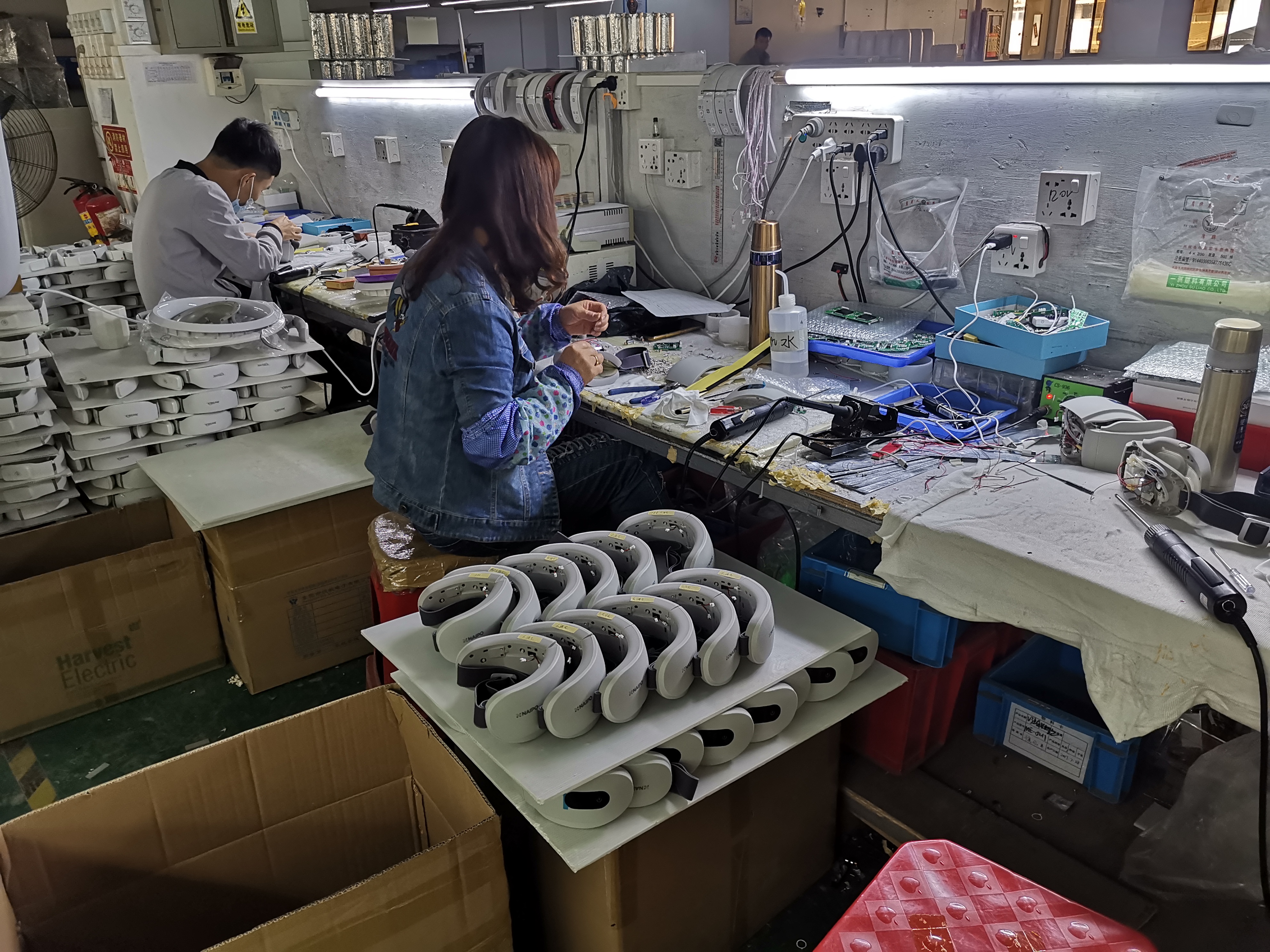 Who in the overseas business world hasn't dreamed of the sweet spot of customizing products from China and building their own brand? But let's be honest — it's never as simple as just "finding the lowest price." The real pitfalls are hidden in the details: "How to judge if a supplier is reliable," "How to verify a Chinese manufacturer," "What does the procurement process actually look like?"
Having worked in this field for years and dealt with countless overseas clients wanting to create their own brands in China, I can tell you this: their most frequent questions aren't "Can you make it cheaper?" but rather "How do I know if this supplier is trustworthy?" and "With such distance, will the process become chaotic?" Every time I hear these concerns, I completely relate — language barriers and physical distance understandably create real anxiety. So today, I'm sharing my hard-earned, practical experience to help you avoid pitfalls and wasted effort.
First, a dose of realism: don't have an overly idealized view of "custom production in China"! While most manufacturers can do customization, their capabilities vary massively. Some excel at stable mass production, others are better suited for the R&D phase, and some may only handle simple private labeling. Before contacting suppliers, you must clarify three things: how customized your product needs to be, whether you're looking for a long-term partner, and the regulatory requirements of your target market. Skipping this step will make supplier screening exhausting — trust me, I've learned this the hard way!
So, where do you find reliable suppliers? Many people dive straight into Alibaba. That's fine for quickly gauging market prices, but don't rely on it alone! I always advise clients to use multiple channels: use Alibaba as a pricing baseline, Google search for manufacturers in your vertical (e.g., "custom beauty gadgets manufacturer China"), and seek referrals from peers or resources from industry trade shows. Each additional channel reduces your risk — this step is non-negotiable.
And during screening, don't just get dazzled by flashy marketing! In initial communications, I pay close attention to how they answer questions: Can they explain the product, materials, and processes clearly? Are they willing to honestly say, "We can't do that"? Are their quotes, lead times, and processes transparent, with no vagueness? If a supplier avoids details, quotes significantly lower than the market, or agrees to everything without question — beware. That's likely a red flag.
Verifying suppliers is a step you cannot skip. It's not about distrust; it's about professional due diligence. I always insist clients do three things: check the business license and company name (to avoid shell companies), confirm they own a real factory (not just a trading company), and request product-related certifications. The key isn't just seeing a screenshot, but whether they can explain the certification's purpose — e.g., "This certification is for which market?" and "Which product standards does it cover?" That shows real expertise.
Here's another truth: the sampling stage is more critical than the actual order. I've seen too many clients think, "Let's place a large order to test the waters," only to receive completely off-spec products, resulting in heavy losses. Through samples, you can see: if they truly understand your needs, if they seriously incorporate your feedback, and if sample quality matches potential mass production standards. Those offering "free samples" — while seemingly saving you money — actually cost you time, which is far more valuable. Treat every sampling round seriously, and cut your losses early if it's not right.
Speaking of Alibaba: it's not inherently bad, but its open nature means higher risk. I've seen clients mistake traders for factories, thinking they're getting factory prices, only to face endless added fees later. Others encounter suppliers overpromising on customization capabilities they simply don't have. That's why I teach clients to "ask three killer questions": Which production steps do you handle in-house? Do you have long-term overseas client case studies? What potential later costs (e.g., logistics, certification fees) are not included in your quote? Getting clear answers here halves your risk.
Often, procurement issues stem from an unclear process. This workflow, tested and proven, shouldn't be skipped: First, define your product positioning and market requirements (e.g., needed certifications, customer style preferences). Then, screen suppliers and discuss details. Next, sample, test, and iterate until satisfied. After that, finalize price, lead time, and key terms. Follow with a small trial order for inspection (never jump straight to bulk!). Finally, proceed to mass production and shipping. Each step clears obstacles for the next; skipping any invites future problems.
Finally, a practical note: truly successful procurement is never a one-off transaction. The smoothest collaborations I've seen understand this: respect the realities of Chinese manufacturing. Don't make unreasonable demands, like insisting on a 3-day turnaround for a 10-day job. Communicate clearly — don't change the plan daily. Treat them as long-term partners, not just "the paying client." Chinese factories value trust and stability. Show them genuine partnership, and they'll prioritize you and offer better cooperation — that's the honest truth I've observed over the years.
So, sourcing custom products from China isn't about finding the lowest bid. It's more like a strategic partnership that requires diligence. Master supplier screening, understand the process, manage risks, and build lasting relationships. Then, "Made in China" won't just cut costs — it can help your brand take solid root and grow sustainably.
If you approach procurement as a strategic partnership rather than just a one-time transaction, it makes all the difference. What headaches or challenges have you faced during sourcing? Share your experiences in the comments below — and if you have specific questions, feel free to reach out directly. I genuinely hope every friend looking to source from China can smoothly turn "Made in China" into a powerful tool for your brand!
Comentario